
Article Sidebar
Main Article Content
Abstract
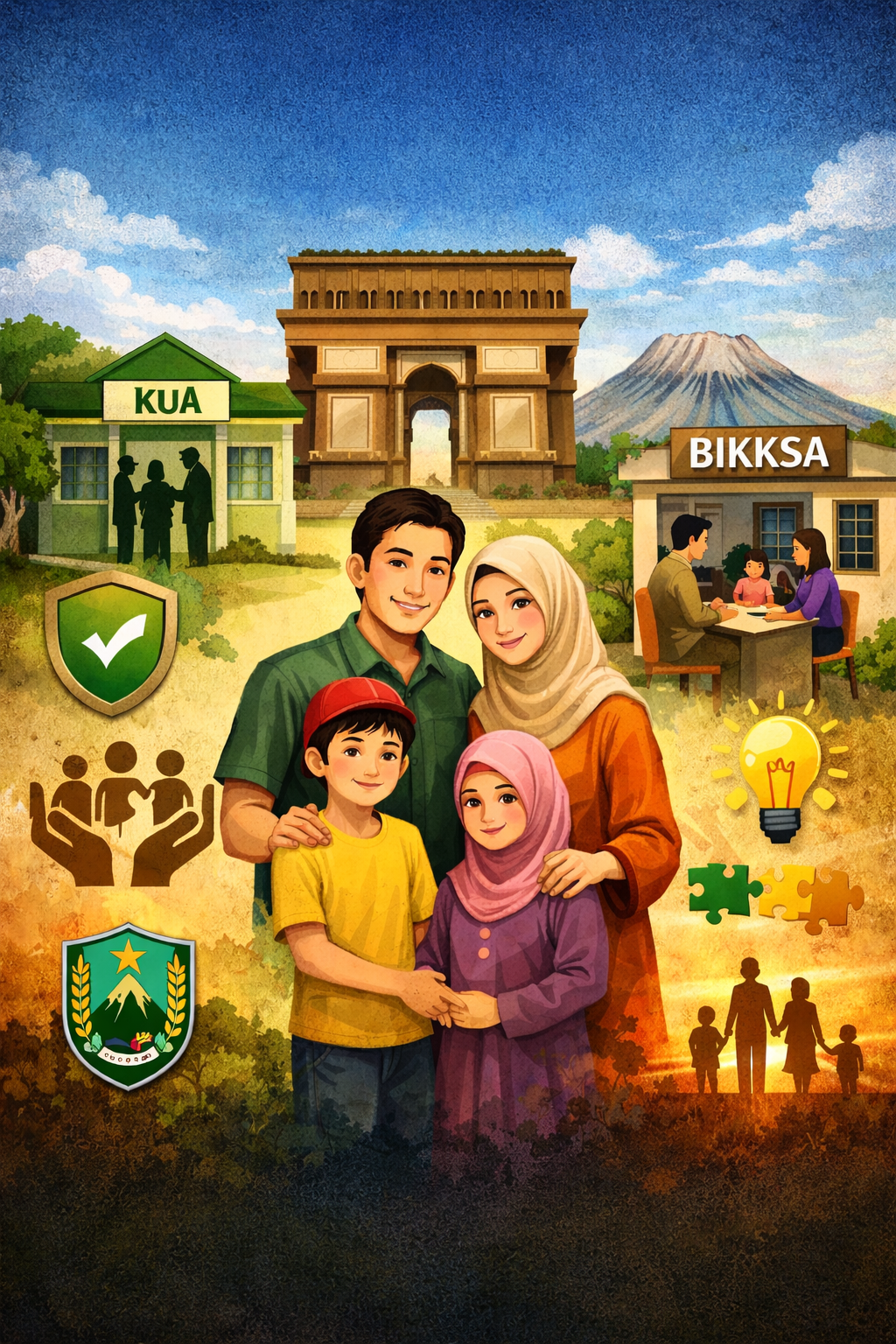
Penelitian ini mengkaji tentang penguatan ketahanan keluarga di Kabupaten Kediri perspektif Teori Resilience Walsh (Studi di KUA, DP3A, dan BIKKSA). Ketiga sinergi yang diberikan oleh KUA, DP3A, dan BIKKSA akan membantu mewujudkan ketahanan keluarga di Kabupaten Kediri. Teori Ketahanan Keluarga (Family Resilience Theory, Walsh) sangat relevan untuk lembaga ini karena berperan dalam pencegahan, pendampingan, dan pemulihan keluarga khususnya terkait pernikahan, kekerasan dalam rumah tangga (KDRT), kerentanan perempuan dan anak, konflik suami-istri, kesiapan menjadi orang tua, pemenuhan hak anak. Pada tahun 2024 data perceraian mencapai 399.921 kasus. Salah satu faktor yang menyebabkan tingginya angka perceraian adalah kurangnya literasi dan kesiapan para calon pengantin tentang materi kuliah pra nikah atau yang kita kenal dengan bimbingan perkawinan bagi calon pengantin. Dalam hal ini Aisyiyah hadir dengan BIKKSA (Biro Konsultasi Keluarga Sakinah Aisyiyah) Kota Malang mempersembahkan kurikulum Kuliah Pra Nikah yang komprehensif selama 3 hari dengan diakhiri dengan wisuda sebagai apresiasi bagi peserta atas ketekunannya dalam mengikuti kuliah pra nikah. Tujuan dari penelitian ini adalah untuk menggambarkan kurikulum kuliah pra nikah dalam upaya membentuk keluarga sakinah di masyarakat luas. Metode penelitian merupakan penelitian lapangan dimana peneliti merupakan salah satu peserta dalam kuliah pra nikah ini. Hasil penelitian sinergi ketiga lembaga dapat mewujudkan ketahanan keluarga. Kesimpulan dalam penelitian ini adalah Organisasi masyarakat dapat menjadi perpanjangan tangan bagi pemerintah setempat, KUA, dan pengadilan dalam rangka menekan angka perceraian dengan penguatan bimbingan perkawinan bagi calon pengantin. Hal yang positif ini telah dicanangkan Pimpinan Pusat hingga ditularkan pada akar rumput setingkat ranting atau dalam lingkup desa.
Article Details

This work is licensed under a Creative Commons Attribution-NonCommercial-NoDerivatives 4.0 International License.
Authors who publish with this journal agree to the following terms:
- Authors retain copyright and grant the journal right of first publication with the work simultaneously licensed under a Creative Commons Attribution License that allows others to share the work with an acknowledgement of the work's authorship and initial publication in this journal.
- Authors are able to enter into separate, additional contractual arrangements for the non-exclusive distribution of the journal's published version of the work (e.g., post it to an institutional repository or publish it in a book), with an acknowledgement of its initial publication in this journal.
- Authors are permitted and encouraged to post their work online (e.g., in institutional repositories or on their website) prior to and during the submission process, as it can lead to productive exchanges, as well as earlier and greater citation of published work.
References
- Ager, A. (2019). Resilience and the refugee experience. Child Development, 90(2), 317–324. https://doi.org/10.1111/cdev.13062
- Becvar, D. S., & Becvar, R. J. (2018). Family therapy: A systemic integration (9th ed.). Pearson.
- Black, K., & Lobo, M. (2018). A conceptual review of family resilience factors. Journal of Family Nursing, 24(2), 243–266. https://doi.org/10.1177/1074840718768190
- Carter, B., & McGoldrick, M. (2016). The expanded family life cycle (5th ed.). Pearson.
- Creswell, J. W., & Poth, C. N. (2018). Qualitative inquiry and research design: Choosing among five approaches (4th ed.). Sage Publications.
- Gardner, F., Montgomery, P., & Knerr, W. (2019). Parenting interventions and family resilience: A meta-analytic review. Clinical Child and Family Psychology Review, 22(1), 1–18. https://doi.org/10.1007/s10567-019-00285-6
- Glen. (2025, April 3). Angka perceraian 2024 di Indonesia capai 399.921 kasus, tertinggi Jawa Barat dengan 88.985 kasus. Inibalikpapan.com. https://www.inibalikpapan.com/angka-perceraian-2024-di-indonesia-capai-399-921-kasus-tertinggi-jawa-barat-dengan-88-985-kasus/
- Goldenberg, H., & Goldenberg, I. (2013). Family therapy: An overview (8th ed.). Brooks/Cole.
- Herni, O. A., Sari, S., & Yanto, Y. (2024). Komunikasi interpersonal dalam menciptakan keluarga sakinah. Jurnal Multidisiplin Dehasen (MUDE), 3(1). https://doi.org/10.37676/mude.v3i1.5150
- Lincoln, Y. S., & Guba, E. G. (1985). Naturalistic inquiry. Sage Publications.
- Luthar, S. S., & Eisenberg, N. (2017). Resilient adaptation among at-risk youth. Development and Psychopathology, 29(3), 1–15. https://doi.org/10.1017/S0954579417000443
- Mahoney, A. (2013). The spirituality of us: Relational spirituality in the context of family relationships. Journal of Marriage and Family, 75(4), 805–827. https://doi.org/10.1111/jomf.12039
- Manan, M. F. (2024). Tinjauan maqasid al-shari’ah tentang kewajiban suami difabel terhadap istri tunarungu dalam pembentukan keluarga sakinah. Al Qalam: Jurnal Ilmiah Keagamaan dan Kemasyarakatan, 18(2). https://doi.org/10.35931/aq.v18i2.3391
- Masri. (2024). Konsep keluarga harmonis dalam bingkai sakinah, mawaddah, warahmah. Jurnal Tahqiqa, 18(1). https://doi.org/10.61393/tahqiqa.v18i1.219
- Masten, A. S. (2018). Resilience theory and research on children and families: Past, present, and promise. Development and Psychopathology, 30(2), 1019–1041. https://doi.org/10.1017/S0954579418000251
- Miles, M. B., Huberman, A. M., & Saldaña, J. (2014). Qualitative data analysis: A methods sourcebook (3rd ed.). Sage Publications.
- Pargament, K. I. (2017). Spiritually integrated psychotherapy. Guilford Press.
- Patton, M. Q. (2015). Qualitative research & evaluation methods (4th ed.). Sage Publications.
- Prime, H., Wade, M., & Browne, D. T. (2020). Risk and resilience in family well-being during the COVID-19 pandemic. American Psychologist, 75(5), 631–643. https://doi.org/10.1037/amp0000660
- Salam, J., & Shaleh, K. (2024). Peran dakwah dalam sekolah pranikah Masjid Salman ITB upaya membangun ketahanan keluarga. Bandung Conference Series: Islamic Broadcast Communication, 4(1). https://doi.org/10.29313/bcsibc.v4i1.11555
- Stake, R. E. (2010). Qualitative research: Studying how things work. Guilford Press.
- Syahrier, F. A. (2024). Analisis program pemberdayaan kampung binaan keluarga sakinah (KBKS). JDP (Jurnal Dinamika Pemerintahan), 7(1). https://doi.org/10.36341/jdp.v7i1.4412
- Ungar, M. (2018). Systemic resilience: Principles and processes. American Journal of Orthopsychiatry, 88(1), 1–9. https://doi.org/10.1037/ort0000284
- Walsh, F. (2016). Strengthening family resilience (3rd ed.). Guilford Press.
- Walsh, F. (2020). Loss and resilience in the time of COVID-19. Family Process, 59(3), 898–911. https://doi.org/10.1111/famp.12588
- Walsh, F. (2021). Family resilience: A dynamic systemic framework. Family Process, 60(3), 785–808. https://doi.org/10.1111/famp.12627
- Yin, R. K. (2018). Case study research and applications: Design and methods (6th ed.). Sage Publications.
- Zimmerman, M. A. (2013). Resiliency theory: A strengths-based approach. Journal of Adolescent Health, 52(3), S38–S43. https://doi.org/10.1016/j.jadohealth.2013.01.003
References
Ager, A. (2019). Resilience and the refugee experience. Child Development, 90(2), 317–324. https://doi.org/10.1111/cdev.13062
Becvar, D. S., & Becvar, R. J. (2018). Family therapy: A systemic integration (9th ed.). Pearson.
Black, K., & Lobo, M. (2018). A conceptual review of family resilience factors. Journal of Family Nursing, 24(2), 243–266. https://doi.org/10.1177/1074840718768190
Carter, B., & McGoldrick, M. (2016). The expanded family life cycle (5th ed.). Pearson.
Creswell, J. W., & Poth, C. N. (2018). Qualitative inquiry and research design: Choosing among five approaches (4th ed.). Sage Publications.
Gardner, F., Montgomery, P., & Knerr, W. (2019). Parenting interventions and family resilience: A meta-analytic review. Clinical Child and Family Psychology Review, 22(1), 1–18. https://doi.org/10.1007/s10567-019-00285-6
Glen. (2025, April 3). Angka perceraian 2024 di Indonesia capai 399.921 kasus, tertinggi Jawa Barat dengan 88.985 kasus. Inibalikpapan.com. https://www.inibalikpapan.com/angka-perceraian-2024-di-indonesia-capai-399-921-kasus-tertinggi-jawa-barat-dengan-88-985-kasus/
Goldenberg, H., & Goldenberg, I. (2013). Family therapy: An overview (8th ed.). Brooks/Cole.
Herni, O. A., Sari, S., & Yanto, Y. (2024). Komunikasi interpersonal dalam menciptakan keluarga sakinah. Jurnal Multidisiplin Dehasen (MUDE), 3(1). https://doi.org/10.37676/mude.v3i1.5150
Lincoln, Y. S., & Guba, E. G. (1985). Naturalistic inquiry. Sage Publications.
Luthar, S. S., & Eisenberg, N. (2017). Resilient adaptation among at-risk youth. Development and Psychopathology, 29(3), 1–15. https://doi.org/10.1017/S0954579417000443
Mahoney, A. (2013). The spirituality of us: Relational spirituality in the context of family relationships. Journal of Marriage and Family, 75(4), 805–827. https://doi.org/10.1111/jomf.12039
Manan, M. F. (2024). Tinjauan maqasid al-shari’ah tentang kewajiban suami difabel terhadap istri tunarungu dalam pembentukan keluarga sakinah. Al Qalam: Jurnal Ilmiah Keagamaan dan Kemasyarakatan, 18(2). https://doi.org/10.35931/aq.v18i2.3391
Masri. (2024). Konsep keluarga harmonis dalam bingkai sakinah, mawaddah, warahmah. Jurnal Tahqiqa, 18(1). https://doi.org/10.61393/tahqiqa.v18i1.219
Masten, A. S. (2018). Resilience theory and research on children and families: Past, present, and promise. Development and Psychopathology, 30(2), 1019–1041. https://doi.org/10.1017/S0954579418000251
Miles, M. B., Huberman, A. M., & Saldaña, J. (2014). Qualitative data analysis: A methods sourcebook (3rd ed.). Sage Publications.
Pargament, K. I. (2017). Spiritually integrated psychotherapy. Guilford Press.
Patton, M. Q. (2015). Qualitative research & evaluation methods (4th ed.). Sage Publications.
Prime, H., Wade, M., & Browne, D. T. (2020). Risk and resilience in family well-being during the COVID-19 pandemic. American Psychologist, 75(5), 631–643. https://doi.org/10.1037/amp0000660
Salam, J., & Shaleh, K. (2024). Peran dakwah dalam sekolah pranikah Masjid Salman ITB upaya membangun ketahanan keluarga. Bandung Conference Series: Islamic Broadcast Communication, 4(1). https://doi.org/10.29313/bcsibc.v4i1.11555
Stake, R. E. (2010). Qualitative research: Studying how things work. Guilford Press.
Syahrier, F. A. (2024). Analisis program pemberdayaan kampung binaan keluarga sakinah (KBKS). JDP (Jurnal Dinamika Pemerintahan), 7(1). https://doi.org/10.36341/jdp.v7i1.4412
Ungar, M. (2018). Systemic resilience: Principles and processes. American Journal of Orthopsychiatry, 88(1), 1–9. https://doi.org/10.1037/ort0000284
Walsh, F. (2016). Strengthening family resilience (3rd ed.). Guilford Press.
Walsh, F. (2020). Loss and resilience in the time of COVID-19. Family Process, 59(3), 898–911. https://doi.org/10.1111/famp.12588
Walsh, F. (2021). Family resilience: A dynamic systemic framework. Family Process, 60(3), 785–808. https://doi.org/10.1111/famp.12627
Yin, R. K. (2018). Case study research and applications: Design and methods (6th ed.). Sage Publications.
Zimmerman, M. A. (2013). Resiliency theory: A strengths-based approach. Journal of Adolescent Health, 52(3), S38–S43. https://doi.org/10.1016/j.jadohealth.2013.01.003