
Article Sidebar
Main Article Content
Abstract
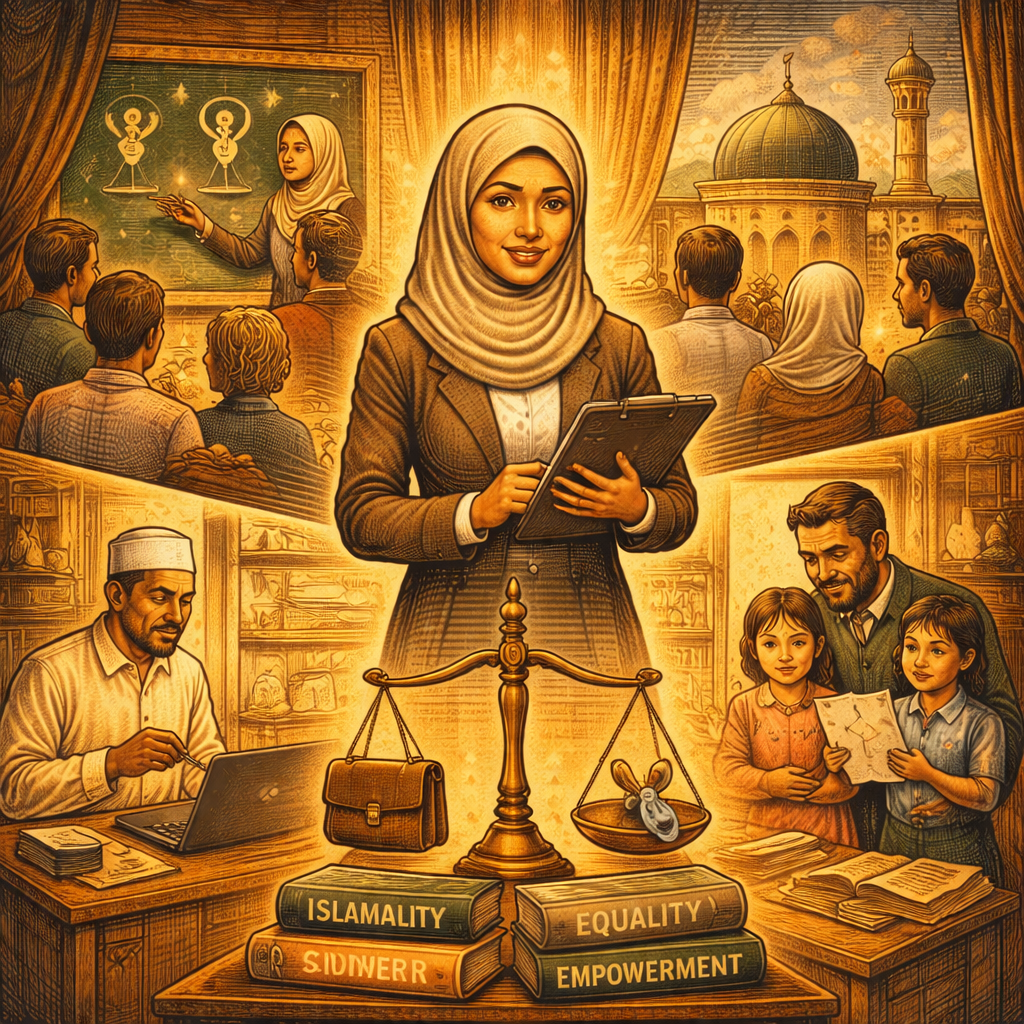
Purpose – This article aims to conduct a comparative analysis of the epistemology of gender justice in the thoughts of Husein Muhammad and Faqihuddin Abdul Kodir, particularly in formulating the theological and ethical legitimacy of women's rights to pursue a career after marriage, as well as assessing the contribution of both their thoughts to the renewal of religious understanding in Indonesia.
Methods – This study used a comparative approach to the thoughts of Husein Muhammad and Faqihuddin Abdul Kodir and a comparative epistemology. Primary data were obtained from the works of these two figures. Secondary data were obtained from relevant sources. The data were analyzed through a critical reading of the epistemological approach, argumentation patterns, and normative implications of each thought.
Findings – The study found that both figures affirm women's right to a career as part of the principles of justice and reciprocity in Islam but through different epistemological paths. Husein Muhammad emphasizes historical-epistemological criticism of patriarchal fiqh constructions, while Faqihuddin Abdul Kodir develops the mubādalah methodology as an applicable relational ethic. These differences do not negate each other, but rather enrich the plural and dynamic discourse of Islamic feminism. Both epistemologies have real transformative power when translated into family law discourse, public policy, and social practices in Indonesia, although their implementation still faces cultural resistance and regulatory structures that are not yet fully gender-responsive.
Research contribution/limitations – This research contributes to the provision of a theoretical and argumentative framework that can be used to formulate a discourse of moderate gender justice rooted in the Islamic intellectual tradition.
Keywords
Article Details
Copyright (c) 2026 Andhika Pratama, Siti Fatimah, Mahfud, Qeis Aimar

This work is licensed under a Creative Commons Attribution-ShareAlike 4.0 International License.
- Authors retain copyright and grant the journal right of first publication with the work simultaneously licensed under a Creative Commons Attribution License that allows others to share the work with an acknowledgement of the work's authorship and initial publication in this journal.
- Authors are able to enter into separate, additional contractual arrangements for the non-exclusive distribution of the journal's published version of the work (e.g., post it to an institutional repository or publish it in a book), with an acknowledgement of its initial publication in this journal.
- Authors are permitted and encouraged to post their work online (e.g., in institutional repositories or on their website) prior to and during the submission process, as it can lead to productive exchanges, as well as earlier and greater citation of published work.
References
- Anam, H. F. (2019). Tafsir Feminisme Islam: Kajian Atas Penafsiran Riffat Hassan terhadap Q.S Al-Nisa [4]: 34. MAGHZA: Jurnal Ilmu Al-Qur’an Dan Tafsir, 4(1). https://doi.org/10.24090/maghza.v4i2.3071
- Chakim, M. L., & Habib, M. H. A. P. (2022). Kesetaraan Gender Dalam Fikih Perempuan Perspektif Maqasid Syariah Jasser Auda. MAQASHID: Jurnal Hukum Islam, 5(1), 47–60. https://doi.org/10.35897/maqashid.v5i1.831
- Chandra, M. (2023). Etika Seksual dalam Islam Menurut Pemikiran Husein Muhammad. The Indonesian Journal of Islamic Law and Civil Law, 4(1), 111–128. https://doi.org/10.51675/jaksya.v4i1.661
- Chumayro, S., Saputra, N. A., & Maliki, I. A. (2024). Resiliensi Keluarga Sakinah Dalam Pasangan Long Distance Marriage di Kalangan Buruh Bangunan. El-Izdiwaj: Indonesian Journal of Civil and Islamic Family Law, 5(1). https://dx.doi.org/10.24042/el-izdiwaj.v5i1.21745
- Dukhaykh, S., & Bilimoria, D. (2021). The Factors influencing Saudi Arabian Women’s Persistence in Nontraditional Work Careers. Career Development International, 26(5), 720–746. https://doi.org/10.1108/CDI-04-2020-0089
- Elbanna, M. (2025). The Existence of Career Women in Egypt from a Social Cultural and Economic Perspective. Solo International Collaboration and Publication of Social Sciences and Humanities, 3(01), 13–26. https://doi.org/10.61455/sicopus.v3i01.221
- Falah, M. B., Riyanta, & Maliki, I. A. (2024). Muhammadiyah and Urban Muslim Gender Equality Issues: Neo-Traditionalism in The Decision of the Majelis Tarjih and Tajdid Muhammadiyah on Husband and Wife Relationship. Akademika : Jurnal Pemikiran Islam, 29(2). https://doi.org/10.32332/akademika.v29i2.9201
- Fitriyani, A., & Musaddad, E. (2025). Women, Careers, and Trust: Reflections on the Role of Women in Islam in the Contemporary Era. Aslama: Journal of Islamic Studies, 2(2), 53–62. https://doi.org/10.63738/aslama.v2i2.27
- Genisa, R. D., Elimartati, E., & Nofialdi, N. (2022). Implementasi Undang-Undang Perkawinan No 1 Tahun 1974 Terhadap Peran Perempuan Karir Dalam Ketahanan Keluarga Di Masyarakat Tanah Datar. Proceeding IAIN Batusangkar, 1(1), 1169–1162.
- Gumiandari, S., & Nafia, I. (2019). Husein Muhammad’s Progressive Thinking About Female Jurisprudence: A Descriptive Analyctical Study. Mahkamah : Jurnal Kajian Hukum Islam, 4(2), 144–161. https://doi.org/10.24235/mahkamah.v4i2.4919
- Gumiandari, S., & Nafi’a, I. (2020). Mubadalah as an Islamic Moderating Perspective between Gender and Patriarchal Regimes in Building Family Resilience. Jurnal Penelitian, 17, 2. https://doi.org/10.28918/jupe.v17i2.2970
- Hafis, M., Nurriyanto, E. W., Nelli, J., Syafitri, J., & Rafia’aturrahmah. (2025). The Principle of Mubādalah in Islamic Family Law: A Functional Sociological Approach to Reducing Domestic Conflict. Ma’mal: Jurnal Laboratorium Syariah Dan Hukum, 6(4), 388–411. https://doi.org/10.15642/mal.v7i5.477
- Haque, A., Izzuddin, A., Maimunah, I., Wargadinata, W., & Mei, S. Y. (2022). The Domestic Rights Of The Wife (Viewed from KH. Husein Muhammad’s Thoughts). EGALITA: Jurnal Kesetaraan Dan Keadilan Gender, 17(1). https://doi.org/10.18860/egalita.v17i1.15934
- Hayati, S. M. (2024). Interpretasi QS. Al-Nisā’ [4]: 34 dalam Wacana Tafsir Feminis: Analisis Pemikiran Husein Muhammad. Nun: Jurnal Studi Alquran Dan Tafsir Di Nusantara, 10(2), 167–185. https://doi.org/10.32495/nun.v10i2.842
- Hussin, H., Tuah, S. N. A., Naseri, R. N. N., & Shariff, S. (2021). Decisive Factors of “Glass Ceiling” on Women Career Development in Malaysia. International Journal of Academic Research in Business and Social Sciences, 11(3). https://doi.org/10.6007/IJARBSS/v11-i3/8931
- Ihsaniyah, A. H. (2020). Epistemologi Qira’ah Mubadalah (Studi Buku Qira’ah Mubadalah Karya Faqihuddin Abdul Kodir) [Skripsi, Universitas Islam Negeri Sunan Kalijaga]. https://digilib.uin-suka.ac.id/id/eprint/44096/
- Imtihanah, A. H. (2020). Hukum Keluarga Islam Ramah Gender: Elaborasi Hukum Keluarga Islam Dengan Konsep Mubadalah. Kodifikasia, 14(2), 263–282. https://doi.org/10.21154/kodifikasia.v14i2.2197
- Irsyadul, M. K., Djazari, I., & Madyan, S. (2020). Kewajiban dan Hak Suami Istri (Studi Komparasi Pandangan Sayyid Muhammad Alawi dan K.H. Husein Muhammad). Jurnal Hikmatina, 2(3), 1–18.
- Karimullah, S. S. (2022). Reinterpretasi Terhadap Kedudukan Perempuan dalam Islam Melalui Takwil Gender KH. Husein Muhammad. Abdurrauf Journal of Islamic Studies, 1(2), 115–133. https://doi.org/10.58824/arjis.v1i2.57
- Kencanawati, F., Hermawan, A., Baihaqi, S., & Septiani, A. N. (2024). Kondisi Kesetaraan Gender di Indonesia. Jurnal Dinamika Sosial Dan Sains, 1(4), 335–341. https://doi.org/10.60145/jdss.v1i4.88
- Khasanah, F. (2019). Awareness on Islamic Feminism: Learning From Gus Dur and Husein Muhammad. Al-Tahrir: Jurnal Pemikiran Islam, 19(2), 175–194. https://doi.org/10.21154/altahrir.v19i2.1743
- Kodir, F. A. (2017). Mafhum Mubadalah: Ikhtiar Memahami Qur’an dan Hadits untuk meneguhkan Keadilan Resiprokal Islam dalam Isu-isu Gender. Jurnal Islam Indonesia, 6(2).
- Kodir, F. A. (2019). Qirā’ah Mubādalah. IRCiSoD.
- Maliki, I. A., & Sari, A. M. (2023). Relasi Suami Istri Dalam Pengasuhan Anak Perspektif Mubadalah (Studi Kasus di Desa Rajabasa Lama II). SETARA: Jurnal Studi Gender Dan Anak, 5(2). https://doi.org/10.32332/jsga.v5i02.6880
- Maliki, I. A., Zaelani, A. Q., Ardi, M. Z., & Ghummiah, S. M. (2023). A Gender-Based Maqashid Sharia Study of Penghulu in Indonesia (A Study of Jasser Auda’s Views). Nurani: Jurnal Kajian Syari’ah Dan Masyarakat, 23(1). https://doi.org/10.19109/nurani.v23i1.16447
- Ma’mun, S., & Maliki, I. A. (2023). A Socio-Historical Study of Women’s Rights Advocacy in Islamic Legal Construction. Journal of Southeast Asian Human Rights, 7(1). https://doi.org/10.19184/jseahr.v7i1.39156
- Muhammad, K. H. H. (2021). Islam Agama Ramah Perempuan. IRCISOD.
- Muhammad, K. H. H. (2022). Perempuan, Islam, dan Negara. IRCISOD.
- Mutimmah, & Safiullah, B. (2022). Pemikiran Husein Muhammad Tentang Hukum Perempuan Bekerja. Ma’mal: Jurnal Laboratorium Syariah Dan Hukum, 3(5), 446–462. https://doi.org/10.15642/mal.v3i5.155
- Nashr, S. A. (2020). Menuju Fiqih Baru Karya KH. Husein Muhammad. Al-Mawarid Jurnal Syariah Dan Hukum (JSYH), 2(1), 73–91.
- Nihayah, R., & Wahidatunnisa, R. (2025). Hak-Hak Perempuan dalam Lensa Pemikiran Progresif K.H. Husein Muhammad. At-Ta’awun : Jurnal Mu’amalah dan Hukum Islam, 4(1), 100–128. https://doi.org/10.59579/atw.v4i1.9448
- Novalia, S. (2024). Relationships in Achieving a Harmonious Family Between Husband and Wife (The Perspective of Mubadalah Studies). RADEN INTAN: Proceedings on Family and Humanity, 1, 309–317. https://radenintan.pascasarjanauinril.com/index.php/radenintan/article/view/30
- Nuroniyah, W., Bustomi, I., & Nurfadilah, A. (2019). Kewajiban Nafkah Dalam Keluarga Perspektif Husein Muhammad. Mahkamah : Jurnal Kajian Hukum Islam, 4(1), 107–120. https://doi.org/10.24235/mahkamah.v4i1.4571
- Pralingga, K. (2023). Fleksibilitas Tanggung Jawab Nafkah Dalam Qs. An-Nisa’ [4]:34 (Telaah Penafsiran Faqihuddin Abdul Kodir Dalam Qira’ah Mubadalah) [Skripsi, Institut Agama Islam Negeri Kediri]. https://etheses.iainkediri.ac.id/13285/
- Qibtiyah, A. (2020). Arah Gerakan Feminis Muslim di Indonesia. Kurnia Kalam Semesta.
- Qonita, A., & Ilyas, H. (2024). Domestication of Women: A Reciprocal Hermeneutic Study of Faqihuddin Abdul Kodir and Huzaimah Tahido Yanggo. Millati: Journal of Islamic Studies and Humanities, 9(1), 103–119. https://doi.org/10.18326/millati.v9i1.2283
- Rahman, Y. (2017). Feminist Kyai, K.H. Husein Muhammad: The Feminist Interpretation on Gendered Verses and the Qur’ān-Based Activism. Al-Jami’ah: Journal of Islamic Studies, 55(2), 293–326. https://doi.org/10.14421/ajis.2017.552.293-326
- Rehman, T. (2020). Islamic Feminism: The Challenges and Choices of Reinterpreting Sexual Ethics in Islamic Tradition. Society and Culture in South Asia, 6(2), 214–237. https://doi.org/10.1177/2393861720923048
- Rohman, B., & Amin, A. (2025). The Epistemological Framework of Indonesian Feminist Thought: An Analytical Study of Faqihuddin Abdul Kodir’s Qirā’ah Mubādalah Method in Qur’anic Interpretation. QOF: Jurnal Studi al-Qur’an Dan Tafsir, 9(1), 171–188. https://doi.org/10.30762/qof.v9i1.2669
- Rosyada, A., Mualifah, L., & Maliki, I. A. (2024). Gender Justice in Husband and Wife Relations According to Shaykh Nawawi Al-Bantani: A Study of the Kitab Syarah ‘Uqūd al-Lujain. Qanun: Jurnal Hukum Keluarga Islam, 2(2). https://dx.doi.org/10.62870/qanun.v2i2.27087
- Rosyidah, A. (2023). The Ideal Career Woman from The Al- Qur’an Perspective. JURNAL ISLAM NUSANTARA, 7(2), 240–257. https://doi.org/10.33852/jurnalnu.v7i2.500
- Saleh, M. (2022). Women’s Professional Career through Al-Qur’an’s Persepectives. Interdisciplinary Social Studies, 1(9), 1133–1149. https://doi.org/10.55324/iss.v1i9.231
- Sani’atin, A. (2023). Peran Suami Istri yang bekerja dalam Membangun Keluarga Sakinah Perspektif Teori Qira’ah Mubadalah Abdul Kodir. Al Fuadiy Jurnal Hukum Keluarga Islam, 5(1), 55–69. https://doi.org/10.55606/af.v5i1.576
- Saputri, I. E., Dhewantoro, H. N. S., Azizah, P. I., & Utami, P. S. (2024). Tantangan dan Perwujudan Gender Equality Sebagai Realitas Sosial serta Implikasinya dalam Pembangunan di Indonesia. Maharsi: Jurnal Pendidikan Sejarah Dan Sosiologi, 6(1), 14–25. https://doi.org/10.33503/maharsi.v6i1.298
- Setiawan, A., & Maliki, I. A. (2020). The Development of Family Law Materials in Bahtsul Masail Nadhlatul Ulama. Jurnal Mahkamah: Kajian Ilmu Hukum Dan Hukum Islam, 5(2). https://doi.org/10.25217/jm.v5i2.1162
- Setiyanto, D. A. (2020). Discourse of Middle Way in Islamic Jurisprudence on Career Women in Achieving The Sakinah Family: Reconstruction of Roles and Women’s Identity. Justicia Islamica, 17(1), 148–165. https://doi.org/10.21154/justicia.v17i1.1125
- Sholihati, L. U. (2023). Kesetaraan Peran Pasangan Pekerja Perspektif Qira’ah Mubadalah (Studi di Desa Beberan Kec. Kanigaran Kota Probolinggo). Sakina: Journal of Family Studies, 7(3), 345–355. https://doi.org/10.18860/jfs.v7i3.3662
- Srifyan, J. H., Aquil, A., Zaim, M. A., & Alqahoom, A. (2023). Women’s Career Islamic Family Law Perspectives. Demak Universal Journal of Islam and Sharia, 1(02), 154–165. https://doi.org/10.61455/deujis.v1i02.59
- Suhada, D. N. (2021). Feminisme dalam Dinamika Perjuangan Gender di Indonesia. Indonesian Journal of Sociology, Education, and Development, 3(1), 15–27. https://doi.org/10.52483/ijsed.v3i1.42
- Wadud, A. (2021). Reflections on Islamic Feminist Exegesis of the Qur’an. Religions, 12(7). https://doi.org/10.3390/rel12070497
- Wahyu, W., Suwandi, S., & Rofiq, A. (2023). Feminism in Islam: Its Relation to the Rights and Responsibilities of Career Women in Domestic Spaces. International Journal of Nusantara Islam, 11(2), 289–299. https://doi.org/10.15575/ijni.v11i2.27967
- Waqar, S., Hanif, R., & Loh, J. (2021). Invisibility not invincibility: Pakistani women and the Lack of Career Ascendance. Gender in Management: An International Journal, 36(6), 731–744. https://doi.org/10.1108/GM-10-2020-0299
- Zikriati & Marhamah. (2022). Critical Review of Career Women in Islam. The Proceeding of Dirundeng International Conference on Islamic Studies, 195–202. https://ejournal.staindirundeng.ac.id/index.php/dicis/article/view/1786
References
Anam, H. F. (2019). Tafsir Feminisme Islam: Kajian Atas Penafsiran Riffat Hassan terhadap Q.S Al-Nisa [4]: 34. MAGHZA: Jurnal Ilmu Al-Qur’an Dan Tafsir, 4(1). https://doi.org/10.24090/maghza.v4i2.3071
Chakim, M. L., & Habib, M. H. A. P. (2022). Kesetaraan Gender Dalam Fikih Perempuan Perspektif Maqasid Syariah Jasser Auda. MAQASHID: Jurnal Hukum Islam, 5(1), 47–60. https://doi.org/10.35897/maqashid.v5i1.831
Chandra, M. (2023). Etika Seksual dalam Islam Menurut Pemikiran Husein Muhammad. The Indonesian Journal of Islamic Law and Civil Law, 4(1), 111–128. https://doi.org/10.51675/jaksya.v4i1.661
Chumayro, S., Saputra, N. A., & Maliki, I. A. (2024). Resiliensi Keluarga Sakinah Dalam Pasangan Long Distance Marriage di Kalangan Buruh Bangunan. El-Izdiwaj: Indonesian Journal of Civil and Islamic Family Law, 5(1). https://dx.doi.org/10.24042/el-izdiwaj.v5i1.21745
Dukhaykh, S., & Bilimoria, D. (2021). The Factors influencing Saudi Arabian Women’s Persistence in Nontraditional Work Careers. Career Development International, 26(5), 720–746. https://doi.org/10.1108/CDI-04-2020-0089
Elbanna, M. (2025). The Existence of Career Women in Egypt from a Social Cultural and Economic Perspective. Solo International Collaboration and Publication of Social Sciences and Humanities, 3(01), 13–26. https://doi.org/10.61455/sicopus.v3i01.221
Falah, M. B., Riyanta, & Maliki, I. A. (2024). Muhammadiyah and Urban Muslim Gender Equality Issues: Neo-Traditionalism in The Decision of the Majelis Tarjih and Tajdid Muhammadiyah on Husband and Wife Relationship. Akademika : Jurnal Pemikiran Islam, 29(2). https://doi.org/10.32332/akademika.v29i2.9201
Fitriyani, A., & Musaddad, E. (2025). Women, Careers, and Trust: Reflections on the Role of Women in Islam in the Contemporary Era. Aslama: Journal of Islamic Studies, 2(2), 53–62. https://doi.org/10.63738/aslama.v2i2.27
Genisa, R. D., Elimartati, E., & Nofialdi, N. (2022). Implementasi Undang-Undang Perkawinan No 1 Tahun 1974 Terhadap Peran Perempuan Karir Dalam Ketahanan Keluarga Di Masyarakat Tanah Datar. Proceeding IAIN Batusangkar, 1(1), 1169–1162.
Gumiandari, S., & Nafia, I. (2019). Husein Muhammad’s Progressive Thinking About Female Jurisprudence: A Descriptive Analyctical Study. Mahkamah : Jurnal Kajian Hukum Islam, 4(2), 144–161. https://doi.org/10.24235/mahkamah.v4i2.4919
Gumiandari, S., & Nafi’a, I. (2020). Mubadalah as an Islamic Moderating Perspective between Gender and Patriarchal Regimes in Building Family Resilience. Jurnal Penelitian, 17, 2. https://doi.org/10.28918/jupe.v17i2.2970
Hafis, M., Nurriyanto, E. W., Nelli, J., Syafitri, J., & Rafia’aturrahmah. (2025). The Principle of Mubādalah in Islamic Family Law: A Functional Sociological Approach to Reducing Domestic Conflict. Ma’mal: Jurnal Laboratorium Syariah Dan Hukum, 6(4), 388–411. https://doi.org/10.15642/mal.v7i5.477
Haque, A., Izzuddin, A., Maimunah, I., Wargadinata, W., & Mei, S. Y. (2022). The Domestic Rights Of The Wife (Viewed from KH. Husein Muhammad’s Thoughts). EGALITA: Jurnal Kesetaraan Dan Keadilan Gender, 17(1). https://doi.org/10.18860/egalita.v17i1.15934
Hayati, S. M. (2024). Interpretasi QS. Al-Nisā’ [4]: 34 dalam Wacana Tafsir Feminis: Analisis Pemikiran Husein Muhammad. Nun: Jurnal Studi Alquran Dan Tafsir Di Nusantara, 10(2), 167–185. https://doi.org/10.32495/nun.v10i2.842
Hussin, H., Tuah, S. N. A., Naseri, R. N. N., & Shariff, S. (2021). Decisive Factors of “Glass Ceiling” on Women Career Development in Malaysia. International Journal of Academic Research in Business and Social Sciences, 11(3). https://doi.org/10.6007/IJARBSS/v11-i3/8931
Ihsaniyah, A. H. (2020). Epistemologi Qira’ah Mubadalah (Studi Buku Qira’ah Mubadalah Karya Faqihuddin Abdul Kodir) [Skripsi, Universitas Islam Negeri Sunan Kalijaga]. https://digilib.uin-suka.ac.id/id/eprint/44096/
Imtihanah, A. H. (2020). Hukum Keluarga Islam Ramah Gender: Elaborasi Hukum Keluarga Islam Dengan Konsep Mubadalah. Kodifikasia, 14(2), 263–282. https://doi.org/10.21154/kodifikasia.v14i2.2197
Irsyadul, M. K., Djazari, I., & Madyan, S. (2020). Kewajiban dan Hak Suami Istri (Studi Komparasi Pandangan Sayyid Muhammad Alawi dan K.H. Husein Muhammad). Jurnal Hikmatina, 2(3), 1–18.
Karimullah, S. S. (2022). Reinterpretasi Terhadap Kedudukan Perempuan dalam Islam Melalui Takwil Gender KH. Husein Muhammad. Abdurrauf Journal of Islamic Studies, 1(2), 115–133. https://doi.org/10.58824/arjis.v1i2.57
Kencanawati, F., Hermawan, A., Baihaqi, S., & Septiani, A. N. (2024). Kondisi Kesetaraan Gender di Indonesia. Jurnal Dinamika Sosial Dan Sains, 1(4), 335–341. https://doi.org/10.60145/jdss.v1i4.88
Khasanah, F. (2019). Awareness on Islamic Feminism: Learning From Gus Dur and Husein Muhammad. Al-Tahrir: Jurnal Pemikiran Islam, 19(2), 175–194. https://doi.org/10.21154/altahrir.v19i2.1743
Kodir, F. A. (2017). Mafhum Mubadalah: Ikhtiar Memahami Qur’an dan Hadits untuk meneguhkan Keadilan Resiprokal Islam dalam Isu-isu Gender. Jurnal Islam Indonesia, 6(2).
Kodir, F. A. (2019). Qirā’ah Mubādalah. IRCiSoD.
Maliki, I. A., & Sari, A. M. (2023). Relasi Suami Istri Dalam Pengasuhan Anak Perspektif Mubadalah (Studi Kasus di Desa Rajabasa Lama II). SETARA: Jurnal Studi Gender Dan Anak, 5(2). https://doi.org/10.32332/jsga.v5i02.6880
Maliki, I. A., Zaelani, A. Q., Ardi, M. Z., & Ghummiah, S. M. (2023). A Gender-Based Maqashid Sharia Study of Penghulu in Indonesia (A Study of Jasser Auda’s Views). Nurani: Jurnal Kajian Syari’ah Dan Masyarakat, 23(1). https://doi.org/10.19109/nurani.v23i1.16447
Ma’mun, S., & Maliki, I. A. (2023). A Socio-Historical Study of Women’s Rights Advocacy in Islamic Legal Construction. Journal of Southeast Asian Human Rights, 7(1). https://doi.org/10.19184/jseahr.v7i1.39156
Muhammad, K. H. H. (2021). Islam Agama Ramah Perempuan. IRCISOD.
Muhammad, K. H. H. (2022). Perempuan, Islam, dan Negara. IRCISOD.
Mutimmah, & Safiullah, B. (2022). Pemikiran Husein Muhammad Tentang Hukum Perempuan Bekerja. Ma’mal: Jurnal Laboratorium Syariah Dan Hukum, 3(5), 446–462. https://doi.org/10.15642/mal.v3i5.155
Nashr, S. A. (2020). Menuju Fiqih Baru Karya KH. Husein Muhammad. Al-Mawarid Jurnal Syariah Dan Hukum (JSYH), 2(1), 73–91.
Nihayah, R., & Wahidatunnisa, R. (2025). Hak-Hak Perempuan dalam Lensa Pemikiran Progresif K.H. Husein Muhammad. At-Ta’awun : Jurnal Mu’amalah dan Hukum Islam, 4(1), 100–128. https://doi.org/10.59579/atw.v4i1.9448
Novalia, S. (2024). Relationships in Achieving a Harmonious Family Between Husband and Wife (The Perspective of Mubadalah Studies). RADEN INTAN: Proceedings on Family and Humanity, 1, 309–317. https://radenintan.pascasarjanauinril.com/index.php/radenintan/article/view/30
Nuroniyah, W., Bustomi, I., & Nurfadilah, A. (2019). Kewajiban Nafkah Dalam Keluarga Perspektif Husein Muhammad. Mahkamah : Jurnal Kajian Hukum Islam, 4(1), 107–120. https://doi.org/10.24235/mahkamah.v4i1.4571
Pralingga, K. (2023). Fleksibilitas Tanggung Jawab Nafkah Dalam Qs. An-Nisa’ [4]:34 (Telaah Penafsiran Faqihuddin Abdul Kodir Dalam Qira’ah Mubadalah) [Skripsi, Institut Agama Islam Negeri Kediri]. https://etheses.iainkediri.ac.id/13285/
Qibtiyah, A. (2020). Arah Gerakan Feminis Muslim di Indonesia. Kurnia Kalam Semesta.
Qonita, A., & Ilyas, H. (2024). Domestication of Women: A Reciprocal Hermeneutic Study of Faqihuddin Abdul Kodir and Huzaimah Tahido Yanggo. Millati: Journal of Islamic Studies and Humanities, 9(1), 103–119. https://doi.org/10.18326/millati.v9i1.2283
Rahman, Y. (2017). Feminist Kyai, K.H. Husein Muhammad: The Feminist Interpretation on Gendered Verses and the Qur’ān-Based Activism. Al-Jami’ah: Journal of Islamic Studies, 55(2), 293–326. https://doi.org/10.14421/ajis.2017.552.293-326
Rehman, T. (2020). Islamic Feminism: The Challenges and Choices of Reinterpreting Sexual Ethics in Islamic Tradition. Society and Culture in South Asia, 6(2), 214–237. https://doi.org/10.1177/2393861720923048
Rohman, B., & Amin, A. (2025). The Epistemological Framework of Indonesian Feminist Thought: An Analytical Study of Faqihuddin Abdul Kodir’s Qirā’ah Mubādalah Method in Qur’anic Interpretation. QOF: Jurnal Studi al-Qur’an Dan Tafsir, 9(1), 171–188. https://doi.org/10.30762/qof.v9i1.2669
Rosyada, A., Mualifah, L., & Maliki, I. A. (2024). Gender Justice in Husband and Wife Relations According to Shaykh Nawawi Al-Bantani: A Study of the Kitab Syarah ‘Uqūd al-Lujain. Qanun: Jurnal Hukum Keluarga Islam, 2(2). https://dx.doi.org/10.62870/qanun.v2i2.27087
Rosyidah, A. (2023). The Ideal Career Woman from The Al- Qur’an Perspective. JURNAL ISLAM NUSANTARA, 7(2), 240–257. https://doi.org/10.33852/jurnalnu.v7i2.500
Saleh, M. (2022). Women’s Professional Career through Al-Qur’an’s Persepectives. Interdisciplinary Social Studies, 1(9), 1133–1149. https://doi.org/10.55324/iss.v1i9.231
Sani’atin, A. (2023). Peran Suami Istri yang bekerja dalam Membangun Keluarga Sakinah Perspektif Teori Qira’ah Mubadalah Abdul Kodir. Al Fuadiy Jurnal Hukum Keluarga Islam, 5(1), 55–69. https://doi.org/10.55606/af.v5i1.576
Saputri, I. E., Dhewantoro, H. N. S., Azizah, P. I., & Utami, P. S. (2024). Tantangan dan Perwujudan Gender Equality Sebagai Realitas Sosial serta Implikasinya dalam Pembangunan di Indonesia. Maharsi: Jurnal Pendidikan Sejarah Dan Sosiologi, 6(1), 14–25. https://doi.org/10.33503/maharsi.v6i1.298
Setiawan, A., & Maliki, I. A. (2020). The Development of Family Law Materials in Bahtsul Masail Nadhlatul Ulama. Jurnal Mahkamah: Kajian Ilmu Hukum Dan Hukum Islam, 5(2). https://doi.org/10.25217/jm.v5i2.1162
Setiyanto, D. A. (2020). Discourse of Middle Way in Islamic Jurisprudence on Career Women in Achieving The Sakinah Family: Reconstruction of Roles and Women’s Identity. Justicia Islamica, 17(1), 148–165. https://doi.org/10.21154/justicia.v17i1.1125
Sholihati, L. U. (2023). Kesetaraan Peran Pasangan Pekerja Perspektif Qira’ah Mubadalah (Studi di Desa Beberan Kec. Kanigaran Kota Probolinggo). Sakina: Journal of Family Studies, 7(3), 345–355. https://doi.org/10.18860/jfs.v7i3.3662
Srifyan, J. H., Aquil, A., Zaim, M. A., & Alqahoom, A. (2023). Women’s Career Islamic Family Law Perspectives. Demak Universal Journal of Islam and Sharia, 1(02), 154–165. https://doi.org/10.61455/deujis.v1i02.59
Suhada, D. N. (2021). Feminisme dalam Dinamika Perjuangan Gender di Indonesia. Indonesian Journal of Sociology, Education, and Development, 3(1), 15–27. https://doi.org/10.52483/ijsed.v3i1.42
Wadud, A. (2021). Reflections on Islamic Feminist Exegesis of the Qur’an. Religions, 12(7). https://doi.org/10.3390/rel12070497
Wahyu, W., Suwandi, S., & Rofiq, A. (2023). Feminism in Islam: Its Relation to the Rights and Responsibilities of Career Women in Domestic Spaces. International Journal of Nusantara Islam, 11(2), 289–299. https://doi.org/10.15575/ijni.v11i2.27967
Waqar, S., Hanif, R., & Loh, J. (2021). Invisibility not invincibility: Pakistani women and the Lack of Career Ascendance. Gender in Management: An International Journal, 36(6), 731–744. https://doi.org/10.1108/GM-10-2020-0299
Zikriati & Marhamah. (2022). Critical Review of Career Women in Islam. The Proceeding of Dirundeng International Conference on Islamic Studies, 195–202. https://ejournal.staindirundeng.ac.id/index.php/dicis/article/view/1786