
Article Sidebar
Downloads
Main Article Content
Abstract
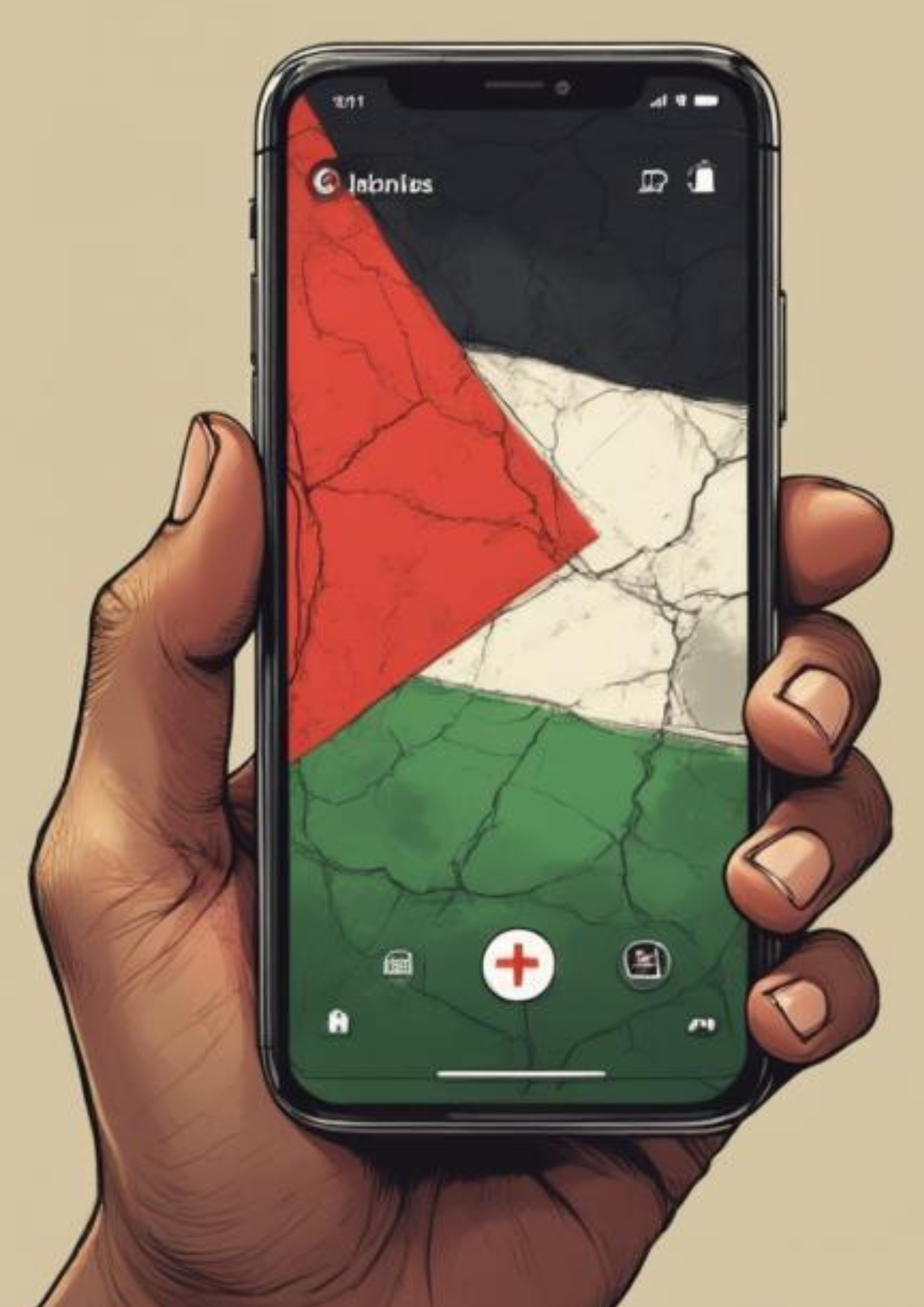
The transformation of Palestinian solidarity movements through digital platforms represents a critical development in contemporary youth activism, particularly within Muslim-majority contexts where religious identity intersects with political engagement. This editorial examines how Indonesian youth organizations have leveraged digital technologies to mobilize support for Palestine during the 2024-2025 period, building upon historical foundations established since the Soekarno era. The analysis synthesizes recent scholarship on digital activism, crowdfunding initiatives, social media campaigns, and youth mobilization strategies, drawing from empirical studies of hashtag movements, philanthropic organizations, and student networks across Indonesia. Indonesian youth have demonstrated remarkable sophistication in utilizing platforms for solidarity expression, developing diverse campaigns including humanitarian crowdfunding that capitalizes on cultural inclinations toward charitable giving, hashtag activism that functions as tools for mobilization and identity formation, and boycott movements legitimized through religious authority. Islamic university student organizations play multifaceted roles serving as vehicles for political consciousness formation and transnational coordination, while innovative collaborations such as K-pop fandom networks construct digital solidarity through Islamic-pop aesthetics. These movements face significant challenges including maintaining sustained engagement within attention economies, navigating platform governance and algorithmic gatekeeping, and translating online activism into structural change. However, opportunities exist through building institutional capacity, developing interfaith coalitions that transcend religious boundaries, and creating educational partnerships supporting Palestinian resilience. The sustainability of youth-led digital activism depends on integrating online advocacy with community-based initiatives, navigating ideological tensions within collaborative frameworks, and developing mechanisms that extend beyond crisis response toward long-term solidarity infrastructure supporting Palestinian institutions and communities.
Article Details

This work is licensed under a Creative Commons Attribution-ShareAlike 4.0 International License.
Authors retain copyright and grant the journal right of first publication with the work simultaneously licensed under a Creative Commons Attribution (CC-BY-SA) 4.0 License that allows others to share the work with an acknowledgment of the work’s authorship and initial publication in this journal.




References
Alfarisi, A. (2025). Gerakan sosial modern: Seruan boikot produk afiliasi Israel melalui media sosial [Modern social movement: Call for boycott of Israeli-affiliated products through social media]. Lektur: Jurnal Ilmu Komunikasi, 7(4), 292–298. https://doi.org/10.21831/lektur.v7i4.23098
DOI: https://doi.org/10.21831/lektur.v7i4.23098Andriansyah, Y. (2024a). Humanitarian aid from the Islamic mass organizations in Indonesia to Palestine. Millah: Journal of Religious Studies, 23(2), xiv–xxiv. https://doi.org/10.20885/millah.vol23.iss2.editorial
DOI: https://doi.org/10.20885/millah.vol23.iss2.editorialAndriansyah, Y. (2024b). Indonesia on Palestinian destiny: Perspectives from the government and scholars. Millah: Journal of Religious Studies, 23(1), xii–xviii. https://doi.org/10.20885/millah.vol23.iss1.editorial
DOI: https://doi.org/10.20885/millah.vol23.iss1.editorialAndriansyah, Y. (2025). Global religious institutions’ responses to the Gaza Crisis: Solidarity, tensions, and pathways to interfaith peace. Millah: Journal of Religious Studies, 24(1), xv–xxxiv. https://doi.org/10.20885/millah.vol24.iss1.editorial
DOI: https://doi.org/10.20885/millah.vol24.iss1.editorialAnoraga, B., & Zuhri, M. K. (2024). The (im)possible umma? Multiple realities and multiple identities of Indonesian Muslims in online philanthropy. Asiascape: Digital Asia, 11(3), 215–245. https://doi.org/10.1163/22142312-bja10063
DOI: https://doi.org/10.1163/22142312-bja10063Blanchard, S. J., Noseworthy, T. J., Pancer, E., & Poole, M. (2023). Extraction of visual information to predict crowdfunding success. Production and Operations Management, 32(12), 4172–4189. https://doi.org/10.1111/poms.14083
DOI: https://doi.org/10.1111/poms.14083Efendi, P. A. R., & Alfansi, L. (2025). Why do they avoid it? Factors behind brand avoidance related to the Boycott, Divestment, and Sanctions (BDS) Movement. Journal of Islamic Economics Lariba, 11(2), 791–814. https://doi.org/10.20885/jielariba.vol11.iss2.art6
DOI: https://doi.org/10.20885/jielariba.vol11.iss2.art6Fadilla, A., & Rahmawati, D. E. (2025). Mapping the transformation of political participation through digital citizenship: Global trends from a bibliometric analysis (2019–2024). INJECT (Interdisciplinary Journal of Communication), 10(2), 439–454. https://doi.org/10.18326/inject.v10i2.5063
DOI: https://doi.org/10.18326/inject.v10i2.5063Ghobadi, S., & Sonenshein, S. (2024). Creating collaboration: How social movement organizations shape digital activism to promote broader social change. Journal of the Association for Information Systems, 25(3), 781–803. https://doi.org/10.17705/1jais.00847
DOI: https://doi.org/10.17705/1jais.00847Ginder, W., & Johnson, O. (2025). From woefully woke to advocate ambassadors: A typology of retailers’ corporate sociopolitical activism messaging on social media. Journal of Public Policy & Marketing, 07439156251360771. https://doi.org/10.1177/07439156251360771
DOI: https://doi.org/10.1177/07439156251360771Harahap, J. Z., Nasution, H., & Azhar, A. A. (2025). Antara moralitas dan realitas politik: Sikap komunikasi Islam Indonesia terhadap krisis Palestina [Between morality and political reality: Indonesian Islamic communication attitudes toward the Palestinian crisis]. Islam & Contemporary Issues, 5(1), 36–44. https://doi.org/10.57251/ici.v5i1.1671
DOI: https://doi.org/10.57251/ici.v5i1.1671Hardi, E. A. (2021). Muslim youth and philantrophic activism. Epistemé: Jurnal Pengembangan Ilmu Keislaman, 16(1), 15–29. https://doi.org/10.21274/epis.2021.16.01.15-29
DOI: https://doi.org/10.21274/epis.2021.16.01.15-29Herani, R. (2025). When authority stays mute, what drives the substitute? Investigating youth voluntary compliance with a fatwa amid geopolitical tensions. International Journal of Sociology and Social Policy, 1–23. https://doi.org/10.1108/IJSSP-03-2025-0151
DOI: https://doi.org/10.1108/IJSSP-03-2025-0151Heřmanová, M. (2022). Sisterhood in 5D: Conspirituality and Instagram aesthetics. M/C Journal, 25(1). https://doi.org/10.5204/mcj.2875
DOI: https://doi.org/10.5204/mcj.2875Humphreys, L., & Barker, T. (2007). Modernity and the mobile phone: Exploring tensions about dating and sex in Indonesia. M/C Journal, 10(1). https://doi.org/10.5204/mcj.2602
DOI: https://doi.org/10.5204/mcj.2602Ikhwan, M., & Falah, M. B. (2024). Palestinian independence and religious extremism: Using the Palestinian issue as a Khilafah Islamiyah propaganda tool on Instagram. West Science Islamic Studies, 2(1), 38–50. https://doi.org/10.58812/wsiss.v2i01.600
DOI: https://doi.org/10.58812/wsiss.v2i01.600Inayah, A., Darmastuti, A., Simbolon, K., & Latifa, A. (2025). Perbandingan gerakan boycott, divestment, sanctions (BDS) Malaysia dan Indonesia sebagai perlawanan terhadap agresi Israel di Palestina [Comparison of the boycott, divestment, sanctions (BDS) movements in Malaysia and Indonesia as resistance against Israeli aggression in Palestine]. Riwayat: Educational Journal of History and Humanities, 8(3), 4726–4729. https://doi.org/10.24815/jr.v8i3.48772
DOI: https://doi.org/10.24815/jr.v8i3.48772Kashaka, N. D. (2025). The impact of social media on political engagement. Research Invention Journal of Law, Communication and Languages, 5(2), 30–37. https://doi.org/10.59298/RIJLCL/2025/523037
DOI: https://doi.org/10.59298/RIJLCL/2025/523037Kenesov, A. (2024). Digital citizenship in the 21st century: Analyzing the impact of social media on youth political activism and civic engagement. Eurasian Science Review An International Peer-Reviewed Multidisciplinary Journal, 2(2), 70–76. https://doi.org/10.63034/esr-53
DOI: https://doi.org/10.63034/esr-53Lee, S. Y., Lim, J. R., & Shi, D. (2024). Visually framing disasters: Humanitarian aid organizations’ use of visuals on social media. Journalism & Mass Communication Quarterly, 101(3), 749–773. https://doi.org/10.1177/10776990221081046
DOI: https://doi.org/10.1177/10776990221081046Mahzumi, F., Aminuddin, A., Mahfudh, H., & Mujibuddin Sm, M. (2025). Cyber-Islamic moderation in Indonesia: Digital activism of Islami.co and IBTimes.id and its implications for young Muslims. MIQOT: Jurnal Ilmu-Ilmu Keislaman, 49(1), 22–49. https://doi.org/10.30821/miqot.v49i1.1290
DOI: https://doi.org/10.30821/miqot.v49i1.1290Maulana, R., Nindia, N. F., & Afifah. (2025). Collective action in digital activism: How hashtags mobilize social movements. Mahogany Journal De Social, 2(1), 33–43. https://doi.org/10.37899/mjds.v2i1.220
DOI: https://doi.org/10.37899/mjds.v2i1.220Mutmainnahh, M. (2025). Gratitude from the perspective of students’ organizational culture. JOMSIGN: Journal of Multicultural Studies in Guidance and Counseling, 9(2), 205–220. https://doi.org/10.17509/jomsign.v9i2.58984
DOI: https://doi.org/10.17509/jomsign.v9i2.58984Ng, R., & Chow, T. Y. J. (2025). Prominent peaks and social discourses of the 2023 Escalation in the Ongoing Israel–Hamas armed conflict. PLOS One, 20(10), e0332746. https://doi.org/10.1371/journal.pone.0332746
DOI: https://doi.org/10.1371/journal.pone.0332746Ni’am, M. F. (2025). From fandom to frontline: Indonesian K-Popers, Islamic-pop activism, and digital solidarity for Palestine. Jurnal Sosiologi Reflektif, 20(1), 63–90. https://doi.org/10.14421/s56vt305
DOI: https://doi.org/10.14421/s56vt305Nugroho, B. H. (2025). Digital activism and youth participation in Indonesia: A qualitative study of social media’s role in contemporary social movements. Priviet Social Sciences Journal, 5(10), 91–105. https://doi.org/10.55942/pssj.v5i10.603
DOI: https://doi.org/10.55942/pssj.v5i10.603Nur, C. M., & Santoso, H. (2021). Aktualisasi kepribadian demokratis di perguruan tinggi keagamaan Islam negeri Aceh [Actualization of democratic personality in state Islamic religious colleges in Aceh]. Jurnal MUDARRISUNA: Media Kajian Pendidikan Agama Islam, 11(4), 790–805. https://doi.org/10.22373/jm.v11i4.10685
DOI: https://doi.org/10.22373/jm.v11i4.10685Rahmawati, P. (2024). Representation of Palestine solidarity in social media: A semiotic approach to symbols of resistance. PROCEEDINGS: Meulaboh International Conference on Islamic Studies, 1, 65–81. https://doi.org/10.47498/miconis.v1i.3631
DOI: https://doi.org/10.47498/miconis.v1i.3631Ren, J., Raghupathi, V., & Raghupathi, W. (2020). Understanding the dimensions of medical crowdfunding: A visual analytics approach. Journal of Medical Internet Research, 22(7), e18813. https://doi.org/10.2196/18813
DOI: https://doi.org/10.2196/18813Sandora, L., & Yulniza, Y. (2025). History of Islamic education and the digital identity of Minangkabau adolescents: An anthropological study of social media. Jurnal Konseling Dan Pendidikan, 13(2), 494–503. https://doi.org/10.29210/1163500
DOI: https://doi.org/10.29210/1163500Santoso, N. R., Pramesti, O. L., Puspita, B. B., & Wulandari, T. D. (2024). Democratic literacy: Challenges and opportunities to engage youth participatory in the age of digital media. Bricolage : Jurnal Magister Ilmu Komunikasi, 10(2), 155–170. https://doi.org/10.30813/bricolage.v10i2.5511
DOI: https://doi.org/10.30813/bricolage.v10i2.5511Saud, M., Ida, R., Mashud, M., Yousaf, F. N., & Ashfaq, A. (2023). Cultural dynamics of digital space: Democracy, civic engagement and youth participation in virtual spheres. International Journal of Intercultural Relations, 97, 101904. https://doi.org/10.1016/j.ijintrel.2023.101904
DOI: https://doi.org/10.1016/j.ijintrel.2023.101904Sawe, J. K., Ojiambo, U., & Obyerodhyambo, O. (2025). Impact of social media as political activism tool during the June 2024 youths’ protests in Kenya. African Multidisciplinary Journal of Research, 2(2), 42–58. https://doi.org/10.71064/spu.amjr.2.2.2025.427
DOI: https://doi.org/10.71064/spu.amjr.2.2.2025.427Tafakur, M., & Zpalanzani, A. (2025). Understanding visual language in Palestine-Israel conflict humanitarian crowdfunding campaigns: The role of machine learning (AWS rekognition). Wimba : Jurnal Komunikasi Visual, 16(1), 20–32. https://doi.org/10.5614/jkvw.2024.16.1.3
DOI: https://doi.org/10.5614/jkvw.2024.16.1.3Wahyuningroem, S. L., Sirait, R., Uljanatunnisa, U., & Heryadi, D. (2024). Youth political participation and digital movement in Indonesia: The case of #ReformasiDikorupsi and #TolakOmnibusLaw. F1000Research, 12, 543. https://doi.org/10.12688/f1000research.122669.3
DOI: https://doi.org/10.12688/f1000research.122669.2Witro, D. (2024). State islamic university students’ perceptions of IsraelAffiliated products: A study after the Fatwa of Indonesian Ulema Council No. 83 of 2023 concerning the Law on Support for the Palestinian Struggle. Al-Manahij: Jurnal Kajian Hukum Islam, 18(1), 145–160. https://doi.org/10.24090/mnh.v18i1.10554
Wulandari, T., & Candra, M. F. (2024). Komunikasi profetik di media sosial dalam konflik Palestina Israel [Prophetic communication on social media in the Palestinian-Israeli conflict]. Linimasa : Jurnal Ilmu Komunikasi, 7(1), 111–121. https://doi.org/10.23969/linimasa.v7i1.11690
DOI: https://doi.org/10.23969/linimasa.v7i1.11690
References
Alfarisi, A. (2025). Gerakan sosial modern: Seruan boikot produk afiliasi Israel melalui media sosial [Modern social movement: Call for boycott of Israeli-affiliated products through social media]. Lektur: Jurnal Ilmu Komunikasi, 7(4), 292–298. https://doi.org/10.21831/lektur.v7i4.23098
DOI: https://doi.org/10.21831/lektur.v7i4.23098Andriansyah, Y. (2024a). Humanitarian aid from the Islamic mass organizations in Indonesia to Palestine. Millah: Journal of Religious Studies, 23(2), xiv–xxiv. https://doi.org/10.20885/millah.vol23.iss2.editorial
DOI: https://doi.org/10.20885/millah.vol23.iss2.editorialAndriansyah, Y. (2024b). Indonesia on Palestinian destiny: Perspectives from the government and scholars. Millah: Journal of Religious Studies, 23(1), xii–xviii. https://doi.org/10.20885/millah.vol23.iss1.editorial
DOI: https://doi.org/10.20885/millah.vol23.iss1.editorialAndriansyah, Y. (2025). Global religious institutions’ responses to the Gaza Crisis: Solidarity, tensions, and pathways to interfaith peace. Millah: Journal of Religious Studies, 24(1), xv–xxxiv. https://doi.org/10.20885/millah.vol24.iss1.editorial
DOI: https://doi.org/10.20885/millah.vol24.iss1.editorialAnoraga, B., & Zuhri, M. K. (2024). The (im)possible umma? Multiple realities and multiple identities of Indonesian Muslims in online philanthropy. Asiascape: Digital Asia, 11(3), 215–245. https://doi.org/10.1163/22142312-bja10063
DOI: https://doi.org/10.1163/22142312-bja10063Blanchard, S. J., Noseworthy, T. J., Pancer, E., & Poole, M. (2023). Extraction of visual information to predict crowdfunding success. Production and Operations Management, 32(12), 4172–4189. https://doi.org/10.1111/poms.14083
DOI: https://doi.org/10.1111/poms.14083Efendi, P. A. R., & Alfansi, L. (2025). Why do they avoid it? Factors behind brand avoidance related to the Boycott, Divestment, and Sanctions (BDS) Movement. Journal of Islamic Economics Lariba, 11(2), 791–814. https://doi.org/10.20885/jielariba.vol11.iss2.art6
DOI: https://doi.org/10.20885/jielariba.vol11.iss2.art6Fadilla, A., & Rahmawati, D. E. (2025). Mapping the transformation of political participation through digital citizenship: Global trends from a bibliometric analysis (2019–2024). INJECT (Interdisciplinary Journal of Communication), 10(2), 439–454. https://doi.org/10.18326/inject.v10i2.5063
DOI: https://doi.org/10.18326/inject.v10i2.5063Ghobadi, S., & Sonenshein, S. (2024). Creating collaboration: How social movement organizations shape digital activism to promote broader social change. Journal of the Association for Information Systems, 25(3), 781–803. https://doi.org/10.17705/1jais.00847
DOI: https://doi.org/10.17705/1jais.00847Ginder, W., & Johnson, O. (2025). From woefully woke to advocate ambassadors: A typology of retailers’ corporate sociopolitical activism messaging on social media. Journal of Public Policy & Marketing, 07439156251360771. https://doi.org/10.1177/07439156251360771
DOI: https://doi.org/10.1177/07439156251360771Harahap, J. Z., Nasution, H., & Azhar, A. A. (2025). Antara moralitas dan realitas politik: Sikap komunikasi Islam Indonesia terhadap krisis Palestina [Between morality and political reality: Indonesian Islamic communication attitudes toward the Palestinian crisis]. Islam & Contemporary Issues, 5(1), 36–44. https://doi.org/10.57251/ici.v5i1.1671
DOI: https://doi.org/10.57251/ici.v5i1.1671Hardi, E. A. (2021). Muslim youth and philantrophic activism. Epistemé: Jurnal Pengembangan Ilmu Keislaman, 16(1), 15–29. https://doi.org/10.21274/epis.2021.16.01.15-29
DOI: https://doi.org/10.21274/epis.2021.16.01.15-29Herani, R. (2025). When authority stays mute, what drives the substitute? Investigating youth voluntary compliance with a fatwa amid geopolitical tensions. International Journal of Sociology and Social Policy, 1–23. https://doi.org/10.1108/IJSSP-03-2025-0151
DOI: https://doi.org/10.1108/IJSSP-03-2025-0151Heřmanová, M. (2022). Sisterhood in 5D: Conspirituality and Instagram aesthetics. M/C Journal, 25(1). https://doi.org/10.5204/mcj.2875
DOI: https://doi.org/10.5204/mcj.2875Humphreys, L., & Barker, T. (2007). Modernity and the mobile phone: Exploring tensions about dating and sex in Indonesia. M/C Journal, 10(1). https://doi.org/10.5204/mcj.2602
DOI: https://doi.org/10.5204/mcj.2602Ikhwan, M., & Falah, M. B. (2024). Palestinian independence and religious extremism: Using the Palestinian issue as a Khilafah Islamiyah propaganda tool on Instagram. West Science Islamic Studies, 2(1), 38–50. https://doi.org/10.58812/wsiss.v2i01.600
DOI: https://doi.org/10.58812/wsiss.v2i01.600Inayah, A., Darmastuti, A., Simbolon, K., & Latifa, A. (2025). Perbandingan gerakan boycott, divestment, sanctions (BDS) Malaysia dan Indonesia sebagai perlawanan terhadap agresi Israel di Palestina [Comparison of the boycott, divestment, sanctions (BDS) movements in Malaysia and Indonesia as resistance against Israeli aggression in Palestine]. Riwayat: Educational Journal of History and Humanities, 8(3), 4726–4729. https://doi.org/10.24815/jr.v8i3.48772
DOI: https://doi.org/10.24815/jr.v8i3.48772Kashaka, N. D. (2025). The impact of social media on political engagement. Research Invention Journal of Law, Communication and Languages, 5(2), 30–37. https://doi.org/10.59298/RIJLCL/2025/523037
DOI: https://doi.org/10.59298/RIJLCL/2025/523037Kenesov, A. (2024). Digital citizenship in the 21st century: Analyzing the impact of social media on youth political activism and civic engagement. Eurasian Science Review An International Peer-Reviewed Multidisciplinary Journal, 2(2), 70–76. https://doi.org/10.63034/esr-53
DOI: https://doi.org/10.63034/esr-53Lee, S. Y., Lim, J. R., & Shi, D. (2024). Visually framing disasters: Humanitarian aid organizations’ use of visuals on social media. Journalism & Mass Communication Quarterly, 101(3), 749–773. https://doi.org/10.1177/10776990221081046
DOI: https://doi.org/10.1177/10776990221081046Mahzumi, F., Aminuddin, A., Mahfudh, H., & Mujibuddin Sm, M. (2025). Cyber-Islamic moderation in Indonesia: Digital activism of Islami.co and IBTimes.id and its implications for young Muslims. MIQOT: Jurnal Ilmu-Ilmu Keislaman, 49(1), 22–49. https://doi.org/10.30821/miqot.v49i1.1290
DOI: https://doi.org/10.30821/miqot.v49i1.1290Maulana, R., Nindia, N. F., & Afifah. (2025). Collective action in digital activism: How hashtags mobilize social movements. Mahogany Journal De Social, 2(1), 33–43. https://doi.org/10.37899/mjds.v2i1.220
DOI: https://doi.org/10.37899/mjds.v2i1.220Mutmainnahh, M. (2025). Gratitude from the perspective of students’ organizational culture. JOMSIGN: Journal of Multicultural Studies in Guidance and Counseling, 9(2), 205–220. https://doi.org/10.17509/jomsign.v9i2.58984
DOI: https://doi.org/10.17509/jomsign.v9i2.58984Ng, R., & Chow, T. Y. J. (2025). Prominent peaks and social discourses of the 2023 Escalation in the Ongoing Israel–Hamas armed conflict. PLOS One, 20(10), e0332746. https://doi.org/10.1371/journal.pone.0332746
DOI: https://doi.org/10.1371/journal.pone.0332746Ni’am, M. F. (2025). From fandom to frontline: Indonesian K-Popers, Islamic-pop activism, and digital solidarity for Palestine. Jurnal Sosiologi Reflektif, 20(1), 63–90. https://doi.org/10.14421/s56vt305
DOI: https://doi.org/10.14421/s56vt305Nugroho, B. H. (2025). Digital activism and youth participation in Indonesia: A qualitative study of social media’s role in contemporary social movements. Priviet Social Sciences Journal, 5(10), 91–105. https://doi.org/10.55942/pssj.v5i10.603
DOI: https://doi.org/10.55942/pssj.v5i10.603Nur, C. M., & Santoso, H. (2021). Aktualisasi kepribadian demokratis di perguruan tinggi keagamaan Islam negeri Aceh [Actualization of democratic personality in state Islamic religious colleges in Aceh]. Jurnal MUDARRISUNA: Media Kajian Pendidikan Agama Islam, 11(4), 790–805. https://doi.org/10.22373/jm.v11i4.10685
DOI: https://doi.org/10.22373/jm.v11i4.10685Rahmawati, P. (2024). Representation of Palestine solidarity in social media: A semiotic approach to symbols of resistance. PROCEEDINGS: Meulaboh International Conference on Islamic Studies, 1, 65–81. https://doi.org/10.47498/miconis.v1i.3631
DOI: https://doi.org/10.47498/miconis.v1i.3631Ren, J., Raghupathi, V., & Raghupathi, W. (2020). Understanding the dimensions of medical crowdfunding: A visual analytics approach. Journal of Medical Internet Research, 22(7), e18813. https://doi.org/10.2196/18813
DOI: https://doi.org/10.2196/18813Sandora, L., & Yulniza, Y. (2025). History of Islamic education and the digital identity of Minangkabau adolescents: An anthropological study of social media. Jurnal Konseling Dan Pendidikan, 13(2), 494–503. https://doi.org/10.29210/1163500
DOI: https://doi.org/10.29210/1163500Santoso, N. R., Pramesti, O. L., Puspita, B. B., & Wulandari, T. D. (2024). Democratic literacy: Challenges and opportunities to engage youth participatory in the age of digital media. Bricolage : Jurnal Magister Ilmu Komunikasi, 10(2), 155–170. https://doi.org/10.30813/bricolage.v10i2.5511
DOI: https://doi.org/10.30813/bricolage.v10i2.5511Saud, M., Ida, R., Mashud, M., Yousaf, F. N., & Ashfaq, A. (2023). Cultural dynamics of digital space: Democracy, civic engagement and youth participation in virtual spheres. International Journal of Intercultural Relations, 97, 101904. https://doi.org/10.1016/j.ijintrel.2023.101904
DOI: https://doi.org/10.1016/j.ijintrel.2023.101904Sawe, J. K., Ojiambo, U., & Obyerodhyambo, O. (2025). Impact of social media as political activism tool during the June 2024 youths’ protests in Kenya. African Multidisciplinary Journal of Research, 2(2), 42–58. https://doi.org/10.71064/spu.amjr.2.2.2025.427
DOI: https://doi.org/10.71064/spu.amjr.2.2.2025.427Tafakur, M., & Zpalanzani, A. (2025). Understanding visual language in Palestine-Israel conflict humanitarian crowdfunding campaigns: The role of machine learning (AWS rekognition). Wimba : Jurnal Komunikasi Visual, 16(1), 20–32. https://doi.org/10.5614/jkvw.2024.16.1.3
DOI: https://doi.org/10.5614/jkvw.2024.16.1.3Wahyuningroem, S. L., Sirait, R., Uljanatunnisa, U., & Heryadi, D. (2024). Youth political participation and digital movement in Indonesia: The case of #ReformasiDikorupsi and #TolakOmnibusLaw. F1000Research, 12, 543. https://doi.org/10.12688/f1000research.122669.3
DOI: https://doi.org/10.12688/f1000research.122669.2Witro, D. (2024). State islamic university students’ perceptions of IsraelAffiliated products: A study after the Fatwa of Indonesian Ulema Council No. 83 of 2023 concerning the Law on Support for the Palestinian Struggle. Al-Manahij: Jurnal Kajian Hukum Islam, 18(1), 145–160. https://doi.org/10.24090/mnh.v18i1.10554
Wulandari, T., & Candra, M. F. (2024). Komunikasi profetik di media sosial dalam konflik Palestina Israel [Prophetic communication on social media in the Palestinian-Israeli conflict]. Linimasa : Jurnal Ilmu Komunikasi, 7(1), 111–121. https://doi.org/10.23969/linimasa.v7i1.11690
DOI: https://doi.org/10.23969/linimasa.v7i1.11690